Swipe Your Card for a Vibe: The Celebrity Intimacy Subscription Is Just Parasocial Debt With Extra Steps
Let's set the scene. It's 2012. A moderately famous pop star posts a blurry selfie from her tour bus, captions it "tired but grateful 🥺," and approximately 400,000 people feel, in their actual hearts, that she told them specifically. It cost her nothing. It cost you nothing. And somehow, you both walked away with something — her, engagement metrics; you, the warm delusion of proximity to someone whose name you'd scream at a concert.
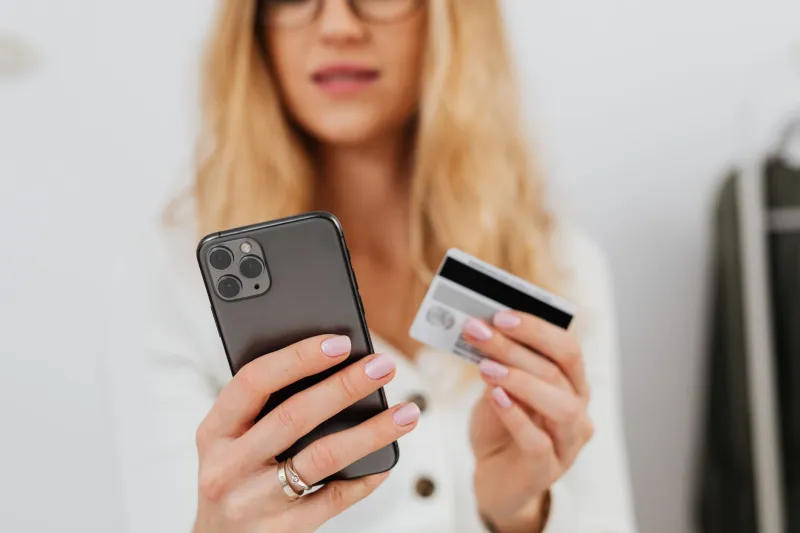
Fast forward to now. That same artist — or one structurally identical to her — has a Patreon. Or a Discord with tiered access. Or a "fan membership" on Instagram that runs $4.99 a month for "exclusive content" and the promise of "real, unfiltered moments." The intimacy is still fake. The access is still curated. The only thing that changed is that your credit card is now involved.
Welcome to the parasocial paywall — celebrity culture's most financially savvy psychological move since the meet-and-greet.
The Original Deal Was Already Crooked
Here's the thing nobody wants to say out loud: the "free" version of celebrity intimacy was never actually free. You paid with your attention, your data, your emotional labor, and your willingness to become a walking advertisement for someone's brand every time you talked about them. Instagram didn't hand Taylor Swift 280 million followers out of generosity. It harvested your engagement to sell to advertisers, and she provided the content that kept you scrolling at 1 a.m. instead of sleeping.
The original parasocial economy was already a transaction. It was just one where the currency was invisible enough that it felt like a gift.
What's shifted — and what's genuinely worth examining — is that celebrities have now made the transaction legible. They've looked at the emotional investment their fans were freely depositing into a relationship that only existed in one direction, and they've said: what if we formalized this? What if instead of you just feeling close to me, you also paid a monthly fee to feel close to me?
It's almost admirably honest. Almost.
The Intimacy Gradient (And How to Monetize Every Level of It)
The architecture of the modern celebrity paywall is not accidental. It's tiered specifically to exploit the psychology of parasocial attachment, which — and this is important — operates on a spectrum. At the bottom, you have casual fans who follow someone on Instagram and occasionally double-tap. At the top, you have people who have organized their identity around a celebrity's existence and would genuinely describe themselves as part of a "community."
The free tier keeps the casual fans engaged enough to generate reach. The paid tiers target everyone else — the people who have already invested enough emotionally that paying $9.99 a month for a Discord role called "inner circle" feels less like a purchase and more like a recognition of the relationship they believe they have.
This is the genius and the cruelty of it. You're not buying content. You're buying the story that your feelings were warranted all along. That the connection you felt was real, and this subscription is just the formalization of something that was always there.
It wasn't. But $9.99 is a very affordable price for a comforting lie.
"Unfiltered" Is Just a Filter With a Price Tag
The marketing language around premium fan access is worth dissecting, because it does a lot of heavy lifting. Words like unfiltered, real, behind-the-scenes, and exclusive are doing the work of convincing you that what you're purchasing is authenticity — the thing that, by definition, cannot be sold.
If a celebrity is choosing what to post in their paid Discord server, it is filtered. If their team approved the "candid" voice memo they dropped for Patreon subscribers, it is curated. If the "exclusive" content was produced with lighting and a ring light and a content calendar, it is a product. The word "unfiltered" in celebrity marketing is roughly as meaningful as "natural flavors" on a Cheeto.
And yet it works, because what fans are actually responding to isn't the content itself — it's the frame around the content. The suggestion that they've been let in. That the paywall was a velvet rope, and they're on the other side of it now. That the celebrity looked at the list of subscribers and thought: these are my real ones.
She did not think that. She has 340,000 subscribers. She does not know you exist.
The Gender Dimension Nobody's Talking About
It would be incomplete to discuss the parasocial paywall without noting who is most aggressively targeted by it and who is most aggressively running it.
Female celebrities — particularly in music — have been culturally trained to perform accessibility as part of their brand in a way their male counterparts simply haven't. The "relatable girl," the "fan-first artist," the celebrity who remembers where she came from — these are feminized archetypes that require a constant demonstration of closeness with the audience. Male artists can be mysterious and aloof and that's called artistic integrity. Female artists who do the same are disconnected and ungrateful.
So when female celebrities monetize intimacy, they're monetizing something they were already required to perform for free. They built their careers on the parasocial bond, often because the industry demanded it as proof of marketability. Now they're charging for it — and getting criticized for being mercenary, while the system that made emotional availability a job requirement for women skates by entirely unexamined.
This doesn't make the paywall less manipulative. It makes the whole ecosystem more so.
Why We Keep Paying (And What That Says About Us)
The uncomfortable question isn't why celebrities charge for parasocial access. That's just capitalism doing what capitalism does — finding a new surface to extract value from, and the interior of your emotional life is apparently fair game.
The uncomfortable question is why we pay.
And the answer, honestly, is loneliness. Not the dramatic, cinematic kind — just the ordinary American kind, the kind that accumulates when you work too much and move too often and have a phone in your hand sixteen hours a day but somehow still feel like no one knows you. Celebrity parasocial relationships fill a specific gap: they provide the sensation of being known without the vulnerability of actually being known. You know her favorite coffee order and her complicated relationship with her mother and which ex she wrote that bridge about. She knows nothing about you. It's intimacy with the risk removed.
The paywall just adds a financial dimension to a psychological need that was already there. And that's what makes it so effective, and so worth being clear-eyed about.
You're not paying for content. You're paying for the feeling of mattering to someone who doesn't know your name.
That's not a fan club. That's a very expensive mirror.
The Least We Can Do Is Name It
None of this is an argument for canceling your subscription or dismantling your parasocial relationships wholesale. People find genuine community in fan spaces. Sometimes the content is actually good. Sometimes the Discord is the place where you met your best friend, and the celebrity was just the excuse.
But we could stand to be more honest about what we're purchasing when we hit that "subscribe" button. We're not buying access to a person. We're buying a more elaborate version of the illusion we were already consuming for free — one that's been repackaged, tiered, and optimized for maximum emotional leverage.
The celebrity didn't become more real when she put a price on it. The transaction just became more visible.
And visibility, at minimum, is something we can work with.