Prevention Is a Personality: How Celebrities Started Selling Skincare to Seventh Graders
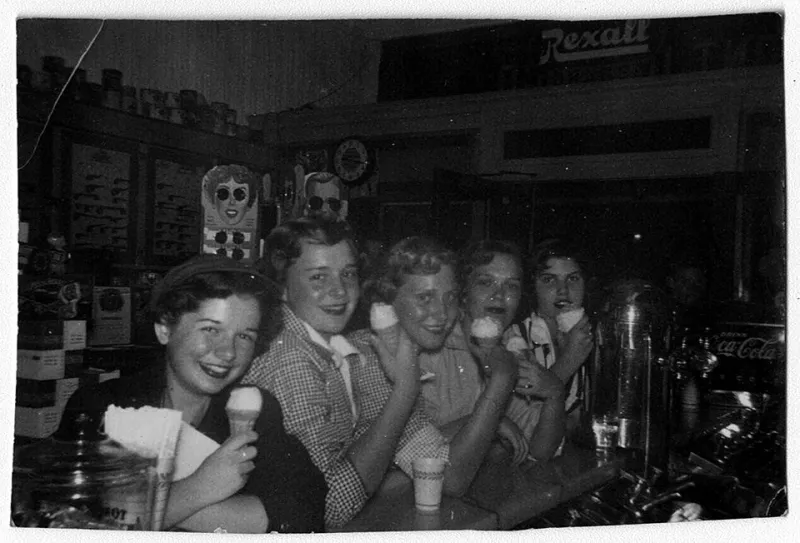
Photo: Bennett, Vera Lee, "Buzzie", Public domain, via Wikimedia Commons
The aisle used to be one shelf. Now it's a wall, and half of it is in tiny packaging with a font that looks like a birthday card. Walk into any beauty retailer in the United States on a Saturday and you'll find them: eleven, twelve, thirteen years old, holding a basket, comparing percentages of an active ingredient they cannot pronounce, treating a $32 moisturizer the way their parents treated a first car.
Adults find this funny, then find it alarming, then find a way to make it the tweens' fault. It isn't. Somebody built this aisle, and somebody built the anxiety that fills it, and somebody put a famous name on the box.
The Sephora Kid Was Never the Customer. She Was the Market Test.
Here's how a category gets made. First, a celebrity with a platform announces a skincare line. It's positioned as accessible, clean, dermatologist-adjacent, and — crucially — preventative. The messaging is not "you have a problem, fix it." The messaging is "you don't have a problem yet, but you will." That's a more profitable sentence, because it recruits customers who don't have a grievance to solve, only a future to insure against.
And who is most susceptible to a future-focused fear? Not the forty-year-old who has already made peace with her forehead. It's the thirteen-year-old who has just been handed a body that feels like a group project she didn't sign up for, and who would very much like to have some control over something, anything, including her face.
'Gentle' Is a Word Chosen by a Legal Team
Read the copy. Gentle. Clean. Barrier-friendly. Pediatric-adjacent. Safe for young skin. Every one of those words is doing double duty. To a parent, they read as reassurance — nothing harsh, nothing medical, nothing to worry about. To a tween, they read as permission — this is for you, this is your starter kit, this is where you begin.
What the words also do is create an enormous amount of wiggle room. "Clean" has no legal definition in US cosmetics labeling. "Gentle" is a feeling, not a measurement. "Prevention" is not a claim a moisturizer can actually make about aging, which is why the marketing slides sideways into "future-proofing" and "starting early" and lets the customer's imagination do the regulatory work.
The Funnel Under the Sticker Chart
The product is only the top of it. A tween who buys in at twelve is a customer for fifty years, and the brand has until roughly age nineteen to establish the habit before she develops opinions of her own and starts reading ingredient lists in earnest.
So the funnel runs through a birthday-party haul video, a back-to-school haul video, a younger sibling who wants what her sister has, a mother who buys it because it seems nicer than a video game, and a checkout counter placed at kid-eye-level. It runs through the influencer who is nineteen and says "I wish I'd started sooner" — a sentence that only makes sense if you believe the human face is a maintenance contract signed at birth.
Puberty as a Customer Acquisition Strategy
The brutal efficiency of this is that puberty arrives with real skin problems — oil, texture, breakouts — which are the perfect trigger for a purchase, and also the perfect cover for a product that wasn't designed for a twelve-year-old at all. If her skin reacts, the reaction can be blamed on her skin rather than the routine. If the routine helps, the brand gets credit for a thing that time was going to do anyway.
What Middle Schoolers Actually Need From a Skincare Brand
A cleanser, a moisturizer, sunscreen, and a culture that stops telling them their face is a deadline. That's it. That's the whole list. There is no step three, and the entire celebrity skincare category is an elaborate machine for convincing you there is.
Some brands do get this right, and the tell is always the same: they price like they expect to be bought with allowance money, they put sunscreen in the hero position, and they don't talk about aging at all. The rest are selling a countdown clock with a bow on it.
The Part Where It Becomes Your Fault for Asking
The final move is the deflection. When parents push back, the response is always a shrug dressed as empowerment: girls have always been interested in beauty, this is what they like, are you going to tell a child she can't have a hobby? It's a neat trick. It converts a question about corporate targeting into a question about your parenting, and it works every single time, because nobody wants to be the mom who made skincare into a federal case.
But there's a difference between a kid playing with lip gloss and a kid who has been taught that her face is a problem with a subscription solution. One is a phase. The other is a branding strategy aimed at a person who still believes the tooth fairy has a budget.
The Sephora kid is not a punchline and she's not a crisis. She's a customer segment, carefully built, expertly reached, and priced with the assumption that her mother will fold. The least we can do is stop pretending she found that aisle on her own.