They Didn't Consult You About the Breakup and That's Why You're Furious
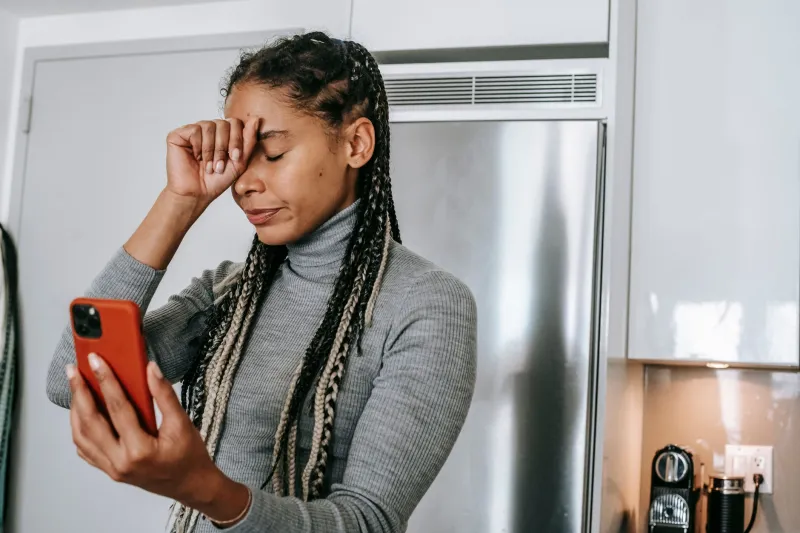
Let's set the scene. Two celebrities you follow — maybe a pop star and her athlete boyfriend, maybe a beloved actor and his co-star wife — announce they're separating. Within four minutes, your phone is a war zone. The discourse is immediate, furious, and deeply personal. People are grieving. People are angry. Someone in a comment thread is demanding answers as though they were listed on the lease.
You were not listed on the lease. Nobody asked you. And somehow that's the whole problem.
Welcome to the parasocial prenup — the unspoken emotional contract fans sign with celebrity couples the moment they decide this particular relationship means something. It's legally unenforceable, emotionally exhausting, and absolutely everywhere.
How We Got Here: The Algorithm Did This On Purpose
Social media didn't invent parasocial relationships, but it did give them steroids and a content calendar. When celebrities were distant, inaccessible figures on magazine covers, the emotional gap between fan and famous person was obvious. You knew you didn't know them.
Then came Instagram Stories. Then TikTok. Then the carefully curated "real" moments — the lazy Sunday breakfast posts, the gym selfies, the anniversary captions that read like wedding vows — and suddenly the distance collapsed. Not because celebrities became more accessible, but because the performance of accessibility became indistinguishable from actual intimacy.
When a couple posts matching Halloween costumes, Valentine's Day tributes, and inside jokes for three years straight, they have functionally invited you into their relationship. They didn't mean it the way you took it, but the invitation was real. The emotional investment it triggered? Also real. The sense of ownership that follows? Completely manufactured — and completely understandable.
Psychologists have a term for the one-sided emotional bonds we form with media figures: parasocial relationships. What they're only now catching up to is how social media has turbocharged the intensity of those bonds by simulating reciprocity. When a celebrity responds to a fan comment, when they post a Story that feels like a confessional, when they thank "you guys" for getting them through a hard time — the brain doesn't fully register that this isn't a mutual friendship. It just logs: connection made.
The Ownership Myth and Why It Feels So Real
Here's the part nobody wants to admit: fans don't just like celebrity couples. They invest in them. Emotionally, yes, but also literally — in concert tickets bought because the relationship made the music feel more meaningful, in merchandise that symbolized a shared cultural moment, in hours of fan edits and Reddit threads and group chats dedicated to analyzing whether the couple looked happy at the airport.
That's labor. Unpaid, unacknowledged, completely voluntary labor — but labor nonetheless. And when the relationship ends, that investment evaporates without a refund.
No wonder people feel cheated.
The fury that follows a celebrity breakup isn't really about the celebrities. It's about the sunk cost of caring. It's the emotional equivalent of putting money into a stock that just tanked. You didn't lose something that was ever yours, but you lost the feeling that it was, and those two things register almost identically in the brain's reward circuitry.
This is also why fans feel entitled to opinions about whether the breakup was the right call. When you've emotionally inhabited a relationship for years, the idea that two people simply decided it wasn't working — without consulting the audience, without offering a satisfying narrative arc — feels like an incomplete story. We are, at our core, meaning-making creatures. We need the ending to make sense. And "we just grew apart" is not a satisfying third act.
The Mirror Problem: What Celebrity Relationships Actually Reflect
Here's the uncomfortable part, and we're going to sit with it for a second.
The intensity of fan investment in celebrity relationships often has very little to do with the celebrities themselves. It has everything to do with what those relationships represent to the people watching.
For fans who are single, a beloved celebrity couple can function as proof that lasting love is possible — a living, breathing argument against cynicism. For fans in struggling relationships, a celebrity couple who "make it work" can feel like a referendum on their own choices. For younger fans especially, celebrity couples model what romance is supposed to look like: passionate, public, aesthetically coherent, and apparently immune to the mundane grinding friction that ends most real relationships.
When that couple breaks up, it doesn't just end their story. It threatens the narrative framework the fan had built around their own romantic life. That's not melodrama. That's just how humans use cultural symbols to process personal experience.
Which means the fan who posts a 47-tweet thread about why a celebrity should have stayed in her relationship isn't really talking about that relationship. She's talking about her own fears about commitment, impermanence, and the terrifying possibility that love just... ends sometimes, for no dramatic reason.
The Entitlement Industrial Complex
None of this excuses the genuinely unhinged behavior that celebrity breakups tend to inspire — the harassment of new partners, the conspiracy theories about who "really" ended things, the fans who decide they know better than the actual human beings who lived inside the relationship.
There's a meaningful difference between feeling sad that a couple you liked broke up and deciding that your feelings give you standing to weigh in on another adult's personal choices. The first is just being human. The second is a parasocial relationship that has gone feral.
And celebrities — particularly female celebrities — bear the brunt of this. A woman who ends a relationship that fans approved of becomes a villain overnight. Her reasons don't matter. Her wellbeing doesn't matter. What matters is that she disrupted the story, and the audience is not done with the story yet.
That's not fandom. That's control masquerading as love.
You Can Grieve It and Let It Go
None of this means you're broken for caring. Caring is human. Feeling a pang when a couple you rooted for calls it quits is not a character flaw — it's evidence that you're capable of emotional investment, which is actually a good quality to have.
But there's a version of this that stays healthy — acknowledging the feeling, recognizing what it's really about, and then letting two strangers live their lives without your editorial input — and a version that doesn't.
The parasocial prenup was never a real contract. You didn't sign it. Neither did they. And maybe the most honest thing we can do, when the next celebrity couple announces their split and the discourse machine spins up again, is ask ourselves: what am I actually mourning here?
Because it's probably not them.